If you’ve ever wondered exactly what the IRS knows about you — what’s on file, what’s been assessed, what payments they’ve recorded, or why your refund is delayed — there’s one tool that answers all of those questions: your IRS transcripts.
Most people have never heard of them. But tax professionals use them every single day. Understanding how to access your transcripts and what they actually tell you can be genuinely empowering, whether you’re trying to resolve a tax debt, check on a refund, or simply make sure the IRS’s records match your own.
What Is an IRS Transcript?
An IRS transcript is an official summary of your tax account information. It’s not a copy of your actual tax return — it’s a record of what the IRS has on file about you, including what you reported, what they’ve assessed, what you’ve paid, and what notices they’ve sent.
There are several different types of transcripts, and each one tells a different part of your story. Knowing which one you need — and how to read it — is the first step.
The Five Types of IRS Transcripts
Tax Return Transcript. This is the most commonly requested transcript. It shows most of the line items from your originally filed tax return, but not any changes made after the fact. It’s often used to verify income for mortgage applications, student loan purposes, or to confirm what you reported in a given year. It’s available for the current year and the three prior years.
Tax Account Transcript. This is the one tax professionals reach for first when assessing a client’s situation. It shows basic data from your return — filing status, taxable income, tax type — but more importantly, it shows any adjustments made after filing, payments received, penalties assessed, and notices issued. If the IRS has made any changes to your account, this transcript will show it.
Record of Account Transcript. This combines the information from both the tax return transcript and the tax account transcript into one document. It gives you the most complete picture of a given tax year and is available for the current year and three prior years.
Wage and Income Transcript. This one doesn’t come from your return at all — it comes from third-party sources. It shows all the income information the IRS has received about you from employers (W-2s), banks and investment firms (1099s), and other payers. This is an incredibly useful transcript if you have unfiled returns, because it tells you exactly what income the IRS already knows about and what you’d need to report if you were to file those returns now.
Verification of Non-Filing Letter. This confirms that the IRS has no record of a filed return for a particular year. It’s sometimes required for financial aid purposes or other documentation needs.
Why Are Transcripts So Useful?
Transcripts are one of the most powerful diagnostic tools available when it comes to understanding and resolving a tax problem. Here’s what they can reveal:
Whether the IRS has filed a return for you. If you haven’t filed in several years, the IRS may have created what’s called a Substitute for Return (SFR) on your behalf — often with no deductions and the highest possible tax assessed. A transcript will show if this has happened.
What penalties and interest have been assessed. Many people are shocked when they see how much their original balance has grown. Transcripts give you the exact breakdown of what’s owed and why.
Whether a levy or lien has been issued. Certain transcript codes indicate that collection actions have been taken or are pending. A tax professional reading your transcript knows exactly what those codes mean and what timeline you’re working with.
The IRS statute of limitations on your debt. The IRS generally has 10 years from the date of assessment to collect a tax debt. Your transcript shows the assessment date, which means a professional can calculate exactly when the collection statute expires — sometimes a key piece of information in a resolution strategy.
Whether your return was flagged or audited. If the IRS made changes to your return or opened an examination, it will show up in the transcript. This can explain discrepancies between what you filed and what you owe.
Gaps in filing history. If you’re not sure which years you’ve filed and which you haven’t, your transcripts will make that immediately clear.
How to Request Your IRS Transcripts
There are three main ways to get your transcripts, and all of them are free.
Online through IRS.gov. The fastest and easiest method is through the IRS’s “Get Transcript” tool at IRS.gov. You’ll need to create or log into an IRS online account and verify your identity. Once verified, most transcript types are available to view and download immediately. This is the best option if you need the information quickly.
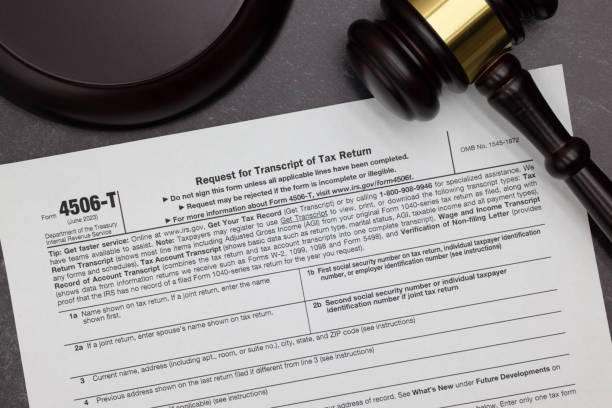
By mail. If you’re not comfortable with the online process, you can request transcripts by mail using Form 4506-T (Request for Transcript of Tax Return). The IRS will mail them to the address they have on file — which is another reason keeping your address current with the IRS matters. Allow five to ten business days for delivery.
Through a tax professional. If you’ve authorized a tax professional to represent you using Form 2848 (Power of Attorney), they can pull your transcripts directly through the IRS’s professional system, often faster and with access to more detailed account information than what’s available to individual taxpayers online.
Understanding Transcript Codes
One thing that trips people up when they first look at their transcripts is the transaction codes — three-digit numbers that appear next to every entry. These codes tell the story of your account in shorthand that can seem like a foreign language to the untrained eye.
For example, Transaction Code 150 means a return was filed and processed. Code 290 means an additional tax was assessed. Code 971 means a notice was issued. Code 582 indicates a lien has been filed. Code 530 means the account has been placed in Currently Not Collectible status.
There are hundreds of these codes, and reading them correctly requires experience. This is one of the main reasons why tax professionals pull transcripts before doing anything else — they’re reading the full history of your account and looking for anything that affects your options, your deadlines, and your strategy.
What Should You Do With This Information?
If you’ve pulled your transcripts and you’re seeing things that concern you — balances you didn’t expect, penalties you didn’t know about, collection codes, or years where the IRS has filed a return on your behalf — don’t try to interpret and act on everything alone.
Transcripts are informative, but they’re just the starting point. What matters is what you do with the information.
At Brightside Tax Relief, one of the first things we do for every new client is pull and review their complete transcript history. It gives us the full picture of where things stand, what’s at risk, and what options are still on the table. From there, we build a strategy tailored specifically to your situation.
If you’d like help understanding your transcripts or figuring out your next step, give us a call at 844-638-0800 or visit brightsidetaxrelief.com. Knowledge is the first step toward relief.
The information in this article is for general educational purposes only and does not constitute legal or tax advice. Every tax situation is unique. Contact a qualified tax professional for guidance specific to your circumstances.